

When beginning a new organization, selecting the right framework is important, and many business owners choose a Restricted Liability Company (LLC) due to its versatility and safety attributes. An LLC is a business framework enabled by state law that can shield individual possessions from service financial obligations and obligations. This crossbreed entity incorporates the pass-through taxes of a collaboration or sole proprietorship with the minimal obligation of a company, making it an attractive choice for little to medium-sized organizations. Each state in the U.S. has certain regulations for creating an LLC, which generally include filing posts of company with the state's Secretary of State workplace and paying a declaring fee. Beyond these initial steps, LLC proprietors, often referred to as members, must choose just how their entity will be handled-- either manager-managed or member-managed-- which affects decision-making procedures and everyday operations.
The functional versatility of an LLC is enhanced by the absence of a need for annual conferences or official policeman functions, unlike companies. To keep the honesty of the LLC and the limited liability defense, it is important for members to stick to specific techniques such as keeping individual and company financial resources different. Most states require LLCs to preserve a registered agent who receives official interactions in support of the business. about us page description of an LLC is the capability to pick just how it is taxed. By default, LLCs are treated as pass-through entities for tax obligation functions, meaning that company revenue is tired just at the specific degree, preventing the double tax typically connected with C corporations. An LLC can elect to be tired as a firm if that is extra beneficial for the business's economic circumstance. This versatility permits entrepreneur to adjust their frameworks according to their evolving requirements and market conditions, possibly enhancing their tax responsibilities and improving profitability.
Understanding Limited Liability Business (LLCs)
A Limited Liability Company (LLC) is a popular organization structure amongst business owners throughout numerous sectors because of its adaptable nature and protective functions. Essentially, an LLC mixes the qualities of both companies and collaborations, providing the minimal obligation protection of a corporation with the tax obligation efficiencies and operational flexibility of a collaboration. This hybrid framework makes it an attractive alternative for company proprietors aiming to minimize their individual threat while maintaining control over organization decisions. One of the fundamental advantages of an LLC is that it guards its participants from individual responsibility for company financial obligations and insurance claims, which implies that when it comes to financial failing or legal problems, the individual assets of the members, such as vehicles, homes, and savings, are commonly secured.
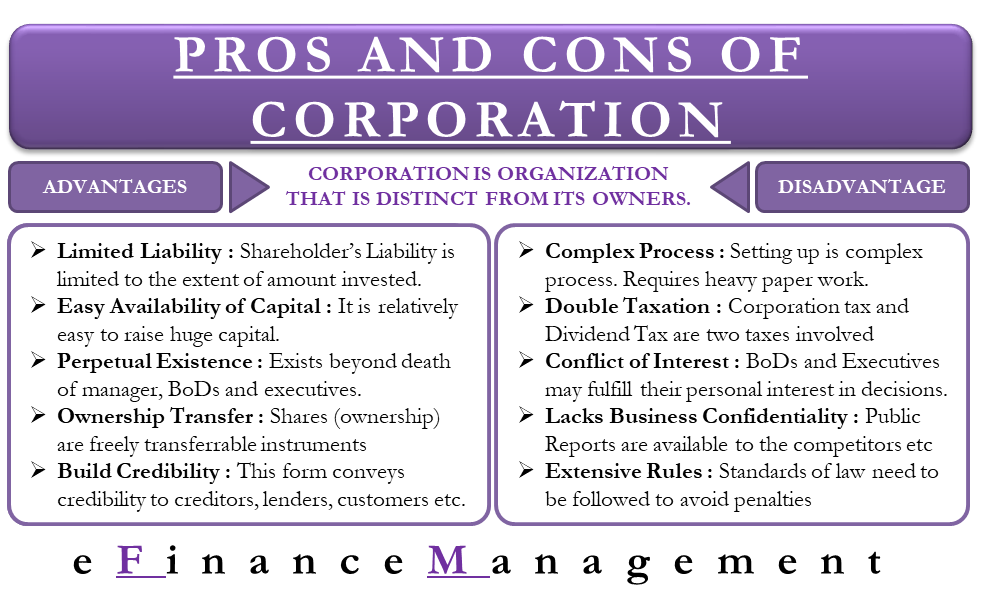
One more attractive aspect of LLCs is their tax versatility. Unlike a company, which is subject to dual tax-- once at the corporate degree and once again on dividends-- LLCs enjoy pass-through taxation. This implies that the LLC itself does not pay tax obligations straight; instead, revenues and losses are travelled through to participants, that report them on their specific income tax return, possibly leading to substantial tax financial savings. Furthermore, LLCs are relatively simple to set up and handle, with much less documentation and less recurring requirements compared to corporations. This convenience of administration usually makes LLCs ideal for smaller organizations or those simply starting, who might not yet be all set to deal with the intricacies of a full-fledged corporation. Furthermore, the flexibility in management framework is another crucial attribute of LLCs. Members can select to handle business themselves, or they can select managers who might or might not be participants. This can be particularly valuable in scenarios where the members are not experienced in the everyday running of a company and choose to work with experienced individuals to manage these facets. The ability to personalize the operating arrangement, which sets forth the guidelines regarding the business operation and the partnerships among the participants, provides a degree of functional control that is not as easily available in other organization types. This personalization can make certain that the particular demands and goals of the service and its participants are met, making the LLC an extremely adaptable alternative for a vast range of business tasks.
Comprehending the Structure and Benefits of Restricted Responsibility Business (LLCs)
The Minimal Responsibility Company (LLC) is a popular company framework within the USA, kept in mind for its versatility and the security it offers to its participants. An LLC incorporates elements of both collaborations and company structures, essentially making sure that members are not personally accountable for the company's debts or obligations. This kind of business entity can be established with one or more participants, and unlike corporations, there is no need for an LLC to hold annual conferences or document minutes. In addition, LLCs are appealing as a result of their tax advantages. They typically delight in pass-through taxation where rather than the business itself being exhausted, the profits and losses are travelled through to private participants to report on their individual tax obligation returns. This avoids the dual taxes commonly experienced in companies. The operational versatility of an LLC is also a considerable benefit. While corporations are needed to have a set administration structure with officers and directors, LLCs allow members to directly handle business or to select managers to do so. This can be specifically useful for smaller companies that do not wish to manage the procedures of company governance. In addition, LLCs can be developed for a broad range of purposes, from easy realty holding business to complicated production procedures, providing to the requirements of varied company fields. One more essential element of LLCs is the convenience with which they can be established and preserved. The process involves filing the Articles of Company with the proper state authority and paying a filing cost, which differs by state. The demands can vary, typically, an LLC is less complicated to set up contrasted to a firm and calls for fewer ongoing rules. visit this backlink makes it an enticing choice for entrepreneurs that wish to prevent troublesome regulative needs while still gaining from restricted responsibility protection. In final thought, the LLC is a efficient and adaptable lawful structure that appropriates for several kinds of service ventures. Its mix of restricted obligation defense, taxes advantages, and functional adaptability makes it an attractive alternative for entrepreneur looking to reduce bureaucracy while still protecting their individual properties. Whether for a tiny startup or a multi-member financial investment group, the LLC structure provides an engaging mix of ease and defense.
Recognizing the Structure and Advantages of an LLC
Limited Obligation Business (LLCs) provide a flexible service framework that incorporates the pass-through taxes of a collaboration or single proprietorship with the minimal obligation of a firm. This makes LLCs particularly appealing for tiny to medium-sized companies. An LLC is fairly very easy to create and preserve, calling for less rigid compliance actions contrasted to corporations. While firms are mandated to hold yearly meetings and keep detailed records of conferences and decisions, LLCs do not have such rigid needs, allowing for an extra adaptable monitoring design. LLCs give considerable adaptability in earnings circulation. Unlike firms where revenues should be dispersed symmetrical to the amount of shares each shareholder holds, LLC members can agree on any type of setup of revenue sharing that suits their demands. how to verify a company can be specifically helpful in situations where members contribute various amounts of time, initiative, or resources. In addition, the responsibility defense provided by an LLC shields its proprietors' individual possessions from organization debts and claims. In case of lawful action or company failing, the individual assets of the participants, such as individual checking account, homes, and various other investments, are usually protected. Nevertheless, it is important for LLC members to maintain a clear distinction between personal and company financial resources to support this security. Forming an LLC additionally gives a credibility boost to a company, as the 'LLC' classification can improve a firm's specialist picture, potentially bring in even more clients and financiers. LLCs usually appreciate tax obligation benefits, such as the capability to choose just how they are tired (either as a company, collaboration, or as an overlooked entity), offering significant adaptability and prospective tax obligation financial savings depending on the business's specific circumstances.
Understanding LLC Management and Control Frameworks
When establishing a Minimal Responsibility Firm (LLC), understanding the management and control frameworks is essential for guaranteeing the entity runs smoothly and successfully. An LLC can be taken care of by its participants (owners) or by appointed managers. This versatility enables the LLC to either be member-managed, where all participants get involved in the decision-making procedures, or manager-managed, where either an outsider or a member is designated to manage the LLC's day-to-day operations. In a member-managed LLC, the framework belongs to a partnership, fostering an autonomous ambience where each participant has a say in company events, based upon their percentage of possession or an agreed-upon plan. Conversely, a manager-managed LLC looks like a company framework, where the supervisors act as the firm's execs, freeing the participants from day-to-day management jobs and enabling them to concentrate on wider strategic purposes. The option in between these management frameworks affects everything from the LLC's functional effectiveness to exactly how choices are made and implemented. The operating agreement, an important record for any type of LLC, must plainly detail the governance structure and provide comprehensive standards on the duties and responsibilities of all entailed, making sure that there are no ambiguities in managerial authority or participant responsibilities. This record serves not just as a legal structure for the organization however also as a roadmap for the LLC's operation, assisting to prevent problems and confusion down the line, hence making it an essential aspect in the foundation of a robust monitoring and control system within an LLC.